
Give every practice session a clear purpose
Padel training is most useful when the task is specific enough to repeat and simple enough to recognise in a match. At Padel Vall, our club approach centres on that connection. Instead of collecting unrelated tips, choose one situation that appears regularly in your games and build a session around it.
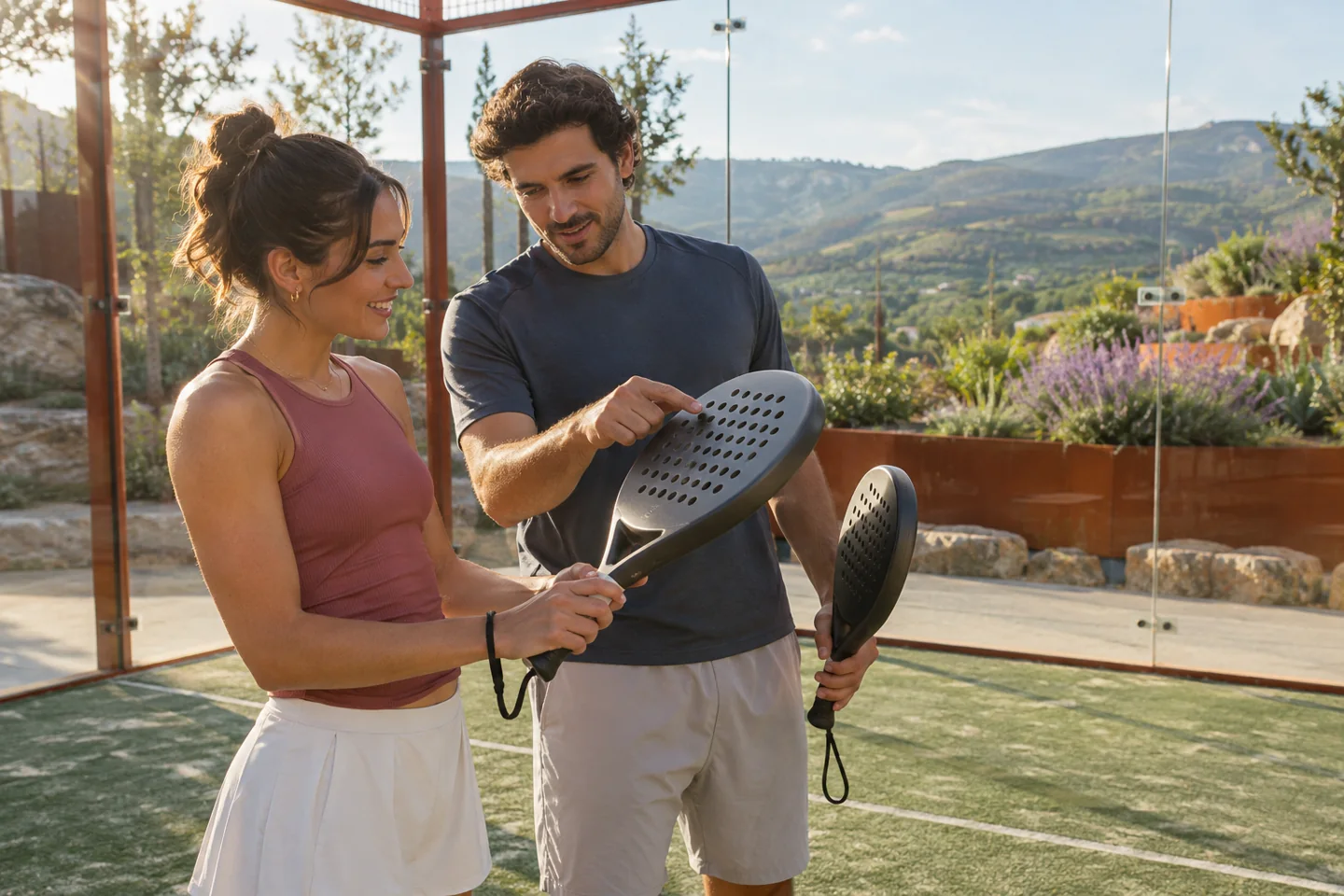
The formats below explain training choices. A live programme, coaching team, location and booking arrangements are not currently confirmed through this website. Check the actual availability and terms of any provider before making a commitment.
Introductory group training
A beginner group should make the court understandable. Players need to learn how to start a point, return a serve and recover into a sensible position. Basic use of the glass belongs in the introduction, but the aim is not to absorb every technical detail at once. A clear explanation followed by repeated controlled rallies can be more useful than an ambitious shot list.
When comparing beginner sessions, ask how many players share each court and how the group is supervised. A welcoming class should explain rotation, give everyone meaningful contact with the ball and allow questions without rushing the least experienced player.
Focused coaching
For an established player, a smaller lesson can concentrate on a recurring problem. For example, a pair may need to coordinate their transition to the net or manage a deep lob more calmly. Describe the situation before choosing a coach so the lesson can address what actually happens in your games.
Ask what practice task you can repeat afterwards. A useful takeaway is a cue you can remember and apply under ordinary match pressure, rather than a promise of an immediate level change.
Supervised match practice
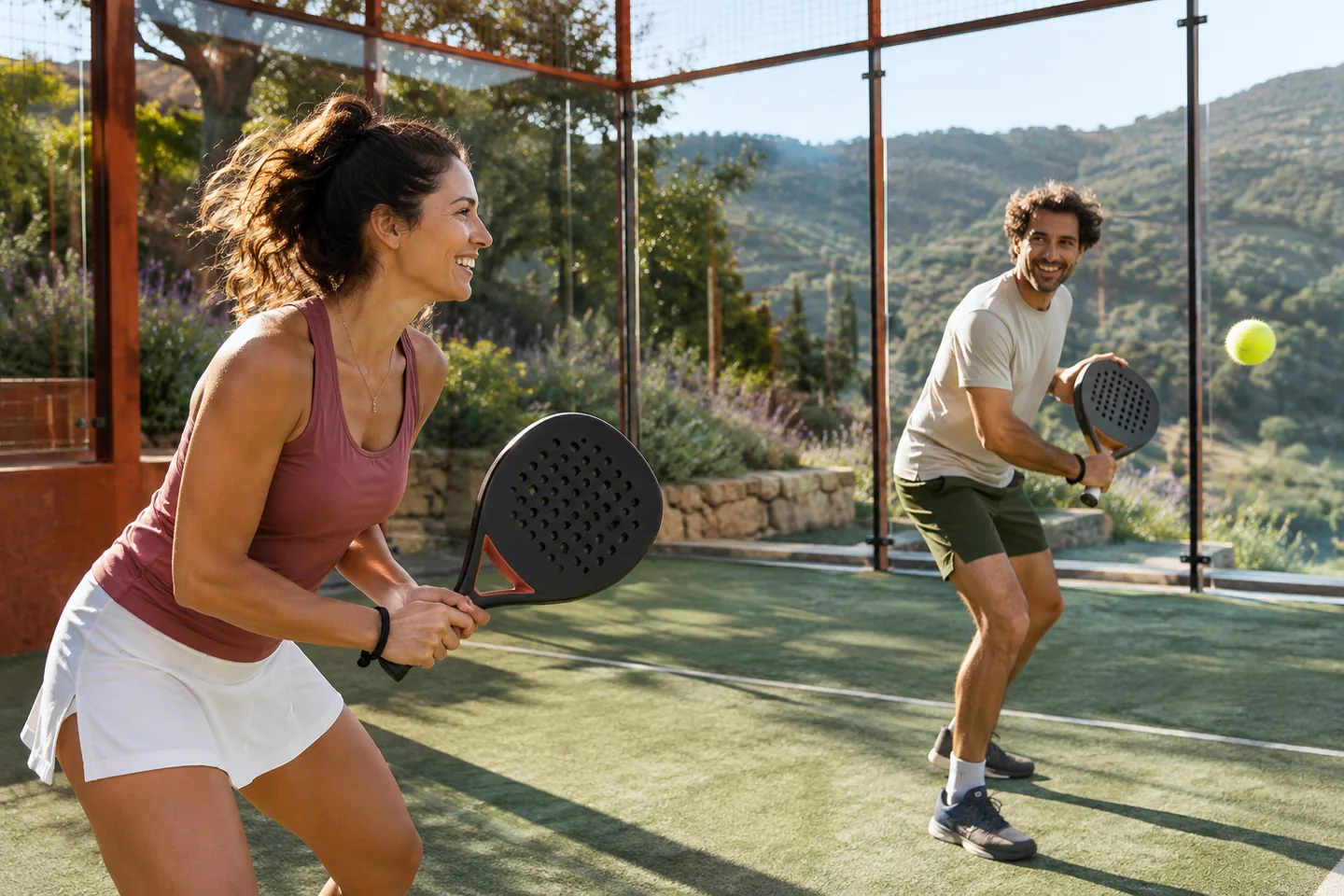
Training points connect technique to decisions. A coach or organiser can set a situation, let the rally develop and pause briefly to discuss options. The objective is understanding why a choice helped the pair, not interrupting every mistake. Agree the focus before play so feedback remains consistent.
Before selecting a training format
- Describe your experience through actual playing situations.
- Choose one or two realistic session objectives.
- Check group size and coached court time.
- Confirm equipment, court charges and cancellation conditions.
- Ask how participants are grouped by ability.
- Find out what independent practice is recommended afterwards.
Bring the idea into doubles
After practice, arrange a game where you can try the same decision without treating every point as an examination. Tell your partner what you are working on. Review whether the cue helped, and keep the next adjustment small.
Explore social padel formats for the playing side of the club experience, or return to Padel Vall.