
Padel has always had a social streak, but open matches take that idea and make it practical. If you do not have a fixed partner, that does not mean you have to sit out, wait, or spend time coordinating schedules that never quite align. Open matches are built for flexibility, which makes them one of the easiest ways to keep playing regularly while meeting new people and adapting to different styles on court. For many players, this is the fastest route from occasional games to a consistent padel routine. It also removes the pressure of finding the “perfect” teammate before every booking. In simple terms, the open-match format makes padel more accessible, more spontaneous, and often more enjoyable.
There is also a strong practical advantage to joining without a regular partner. You can play more often, test yourself against a wider range of opponents, and avoid the frustration of a canceled session because one person became unavailable. In many clubs, apps, and local communities, solo sign-ups are not only accepted but actively encouraged. That means your main job is not to find a permanent partner, but to understand how open matches work and how to present yourself as a reliable player. Once you know where to look and what organizers expect, joining becomes straightforward. The process is less about luck and more about using the right channels with the right approach.
What a Padel Open Match Is and Why It Works for Solo Players

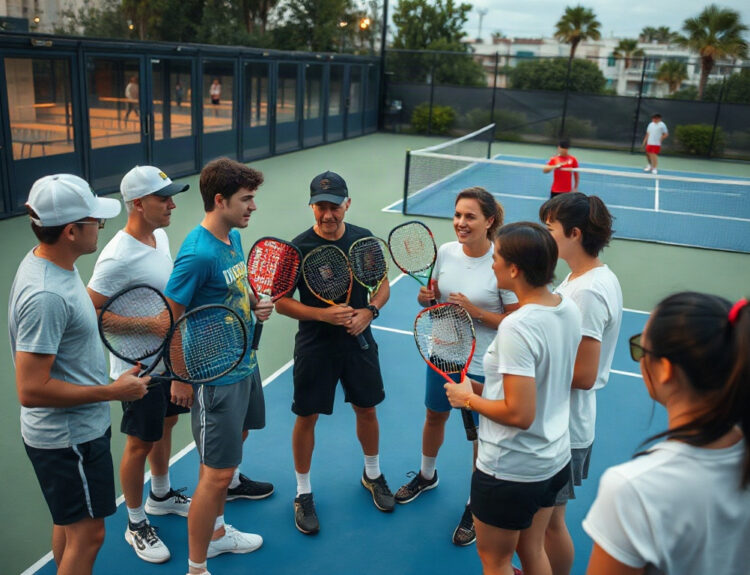
A padel open match is a game format where players can join individually instead of booking as a fixed pair. Depending on the venue or platform, the organizer may be building a full four-player doubles match, filling one vacant spot, or creating a waiting list for people who want to play if enough players confirm. This setup is ideal for players who are available at short notice or who want to keep their padel routine alive without locking themselves into a constant partnership. It is also useful for people new to a club, because it lowers the barrier to entering the local playing scene. You do not need to persuade a friend to commit to the same schedule. You simply need to find the right match and show up ready to play.
Open matches usually operate on level-based grouping, time slots, and a basic code of etiquette. Some systems are highly organized, while others are more casual and community-driven, but the underlying idea is the same: make it easy for players to fill courts efficiently. If you are joining alone, the most important thing is to understand that the match is designed to absorb solo players, not make them feel like extras. That means there is usually a place for you if your level is suitable and the match still needs bodies. It also means that good communication matters, because organizers want players who confirm clearly and respect the format. In practice, the open-match model gives you freedom without sacrificing structure.
Where to Find Open Matches

The best place to find open matches depends on your city, your level, and how your local padel community organizes games. In some areas, booking apps do most of the heavy lifting, while in others, clubs and social groups still drive the majority of casual play. The smartest approach is to use several sources at once so you are not relying on a single platform. That way, if one game is full or the timing is inconvenient, you still have alternatives. You may also discover that different channels serve different types of players, from beginners to highly competitive regulars. Using multiple sources gives you access to more match options and a better chance of finding the right fit.
- Padel booking apps: These often let you join as a single player, filter by skill level, and see available sessions instantly.
- Local clubs: Clubs frequently post open games on reception boards, their websites, or internal booking systems.
- Community groups: WhatsApp chats, Facebook groups, and local sports forums are common places to find last-minute spots.
- Friends of friends: Even if you do not have a regular partner, your wider network may know about open sessions that are not publicly advertised.
Many players assume that the most reliable source is always the app, but that is not necessarily true. Some of the best matches are arranged informally, especially in clubs where regulars communicate through private groups. If you are comfortable asking around, you may uncover games that never appear on public listings. It also helps to check multiple times during the week, because slots can open up quickly when someone cancels. For that reason, persistence matters just as much as the platform itself. The more visible you are in the right circles, the easier it becomes to get invited or added to future sessions.
How to Join an Open Match Step by Step
Joining an open match is usually a simple process, but it works better when you understand the flow before you start clicking or messaging. Most systems begin with a profile or account setup, which helps organizers know your level and availability. After that, you search for a game that matches your skill and schedule, then confirm your spot by booking or responding to the organizer. If payment is involved, it is usually handled through the app, club, or host. The goal is not to overcomplicate the process, but to make sure you are entering the right match and that other players can count on you. Once you are familiar with the sequence, joining becomes quick and repeatable.
- Create your profile: Add your name, playing level, preferred times, and any relevant details that help the organizer place you correctly.
- Search for suitable matches: Look for sessions that match your level, location, and schedule so you are not forcing yourself into the wrong group.
- Confirm your place: Secure your spot early, especially if the match has limited spaces or is popular in your area.
- Review the rules: Check the cancellation policy, payment method, and any venue-specific instructions before the day of the match.
It is worth treating the confirmation step seriously, even if the match feels informal. Many open sessions depend on trust, and organizers notice who responds promptly and who leaves things vague until the last minute. A clear “yes” and a clean payment, if required, make you easier to invite next time. Likewise, if you need to cancel, doing so early helps preserve your reputation and keeps the group running smoothly. Small habits like these have an outsized effect in community-based padel. Reliable players tend to get added to more games because they reduce uncertainty for everyone else.
| Joining Method | Best For | Main Advantage | Possible Limitation |
|---|---|---|---|
| Booking apps | Players who want fast search and instant availability | Easy filtering by level, time, and location | Popular slots may fill quickly |
| Club noticeboards | Players active in a specific venue | Strong local community connection | Less convenient if you do not visit the club often |
| Social media groups | Players looking for flexible, informal coordination | Quick access to last-minute openings | Organization can vary by group |
| Messaging chats | Regular participants in local padel circles | Fast communication and direct invitations | May require more networking to join the group |
The best method is often a combination of all four. If you use only one channel, you limit your chances of finding the right match at the right time. If you use several, you gain flexibility and can respond quickly when a spot opens up. This is especially useful in busy clubs where open matches change from day to day. Some players even keep notifications on for multiple platforms so they can act immediately when a suitable game appears. That level of responsiveness can make the difference between waiting for a match and actually getting onto the court.
How to Make a Good Impression When Joining Alone
When you are joining without a regular partner, your behavior before the match matters almost as much as your level. Organizers and other players want someone who is honest, punctual, and easy to coordinate with. That means you should be clear about your ability, respond quickly, and arrive ready to play. If you are too modest about your level, the game may become uneven in the wrong direction. If you overstate your ability, the match can become frustrating for everyone involved. The sweet spot is simple honesty paired with good manners and follow-through.
- Be accurate about your level: Honest self-assessment helps you land in a match that feels competitive but not overwhelming.
- Communicate clearly: Confirm attendance, reply on time, and let others know if your plans change.
- Arrive early: Being on time shows respect for the group and gives you a few minutes to settle in.
- Stay adaptable: Different partners bring different styles, so remain flexible and easy to play with.
It also helps to treat the first few minutes of the match as an opportunity to fit in naturally. A quick greeting, a positive attitude, and a willingness to adapt go a long way in doubles play. People remember players who are easy to communicate with and who keep the atmosphere relaxed. In many cases, social fit matters just as much as technical skill, especially in open matches that are repeated weekly. If you make the experience pleasant for others, you are far more likely to be remembered for future invitations. That social value is one of the biggest hidden benefits of joining without a fixed partner.
Common Challenges and How to Handle Them
Even though open matches are designed for flexibility, they are not always perfectly smooth. You may have trouble finding a match at your exact level, or you may notice that sessions disappear before you can secure a place. Sometimes a player cancels at the last minute, or you arrive and realize the group dynamic is different from what you expected. These issues are normal, and they do not mean the system is failing. They simply mean that open play requires a bit of adaptability. The more comfortable you become with that reality, the easier it is to use open matches to your advantage.
- Not enough matches at your level: Expand your search radius or try beginner-friendly sessions to increase your options.
- Last-minute cancellations: Join more than one relevant group so you have backup opportunities when plans change.
- Unexpected playing styles: Focus on communication and positioning, since adaptability often matters more than familiar patterns.
- Feeling new to the group: Remember that many players started the same way, and most open-match circles are welcoming to reliable newcomers.
One of the best ways to reduce stress is to stop treating each match like a high-stakes event. Open padel is meant to be fluid, and the occasional mismatch is part of the system, not a personal failure. If a session turns out to be too strong, too casual, or slightly disorganized, use it as information for your next booking rather than as a reason to quit. Over time, you will learn which organizers, clubs, and groups tend to produce the best experience for your style. That learning curve is valuable because it helps you build a smarter routine, not just a busier one. In other words, every open match teaches you something about how to find better ones next time.
Benefits of Joining Open Matches Without a Partner
Joining without a regular partner gives you more freedom than many players expect. You are no longer dependent on one person’s schedule, motivation, or availability, which immediately makes it easier to stay active. You also get exposed to different styles of play, which can sharpen your decision-making and improve your adaptability on court. For social players, the format opens the door to new conversations, new contacts, and a wider local network. If you are trying to improve, that variety can accelerate your learning because you are not always repeating the same patterns. The result is a padel routine that is more flexible, more social, and often more consistent.
There is also a confidence boost that comes from being able to join games on your own. Instead of waiting for the ideal partner, you learn how to take initiative and get into the right spaces where padel is already happening. That independence can change the way you see the sport, because it makes participation feel easier and more repeatable. Many players who begin with open matches eventually become regulars in their local scene simply because they are visible, reliable, and easy to invite. In a sport built around rhythm, timing, and connection, that kind of presence matters. It can turn occasional participation into a genuine playing habit.
Итог
Joining a padel open match without a regular partner is not only possible, it is often one of the smartest ways to play more consistently. With the right platforms, a clear profile, and a reliable approach to communication, you can find sessions that suit your level and schedule without waiting for a fixed teammate. The process is straightforward once you understand where to look and how to present yourself. Along the way, you gain more playing opportunities, better social connections, and exposure to different styles of padel. That combination makes open matches especially valuable for players who want flexibility without sacrificing quality. If you use the system well, it can become one of the most dependable parts of your padel routine.
Часто задаваемые вопросы
- Can I join a padel open match alone?
Yes. Open matches are commonly designed for solo players who need a partner or a spot in an already forming game. - Do I need to be an advanced player?
No. Open matches are available for different levels, including beginners and intermediate players, depending on the organizer. - How do I find open matches near me?
Check booking apps, local clubs, community boards, and social media or messaging groups in your area. - What should I bring to an open padel match?
Bring your racket, proper shoes, water, and any required booking confirmation or payment details. - What if I do not know anyone in the group?
That is completely normal. Many players join open matches solo, and these sessions are a common way to meet new people.