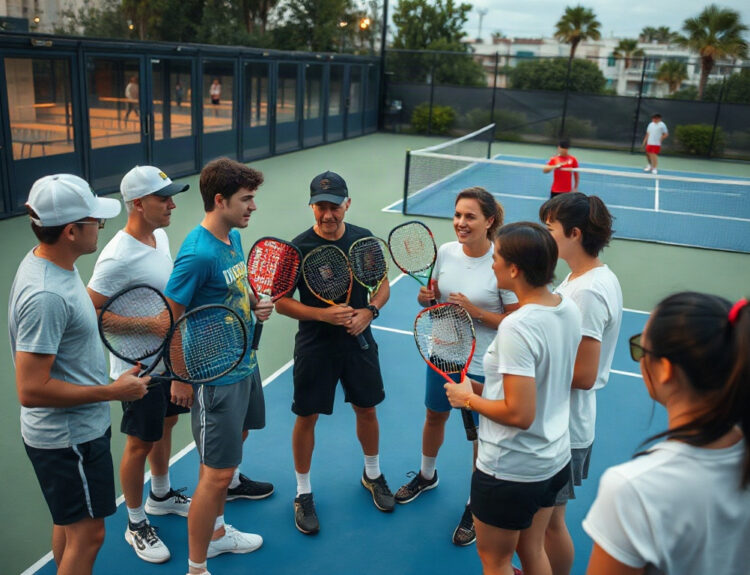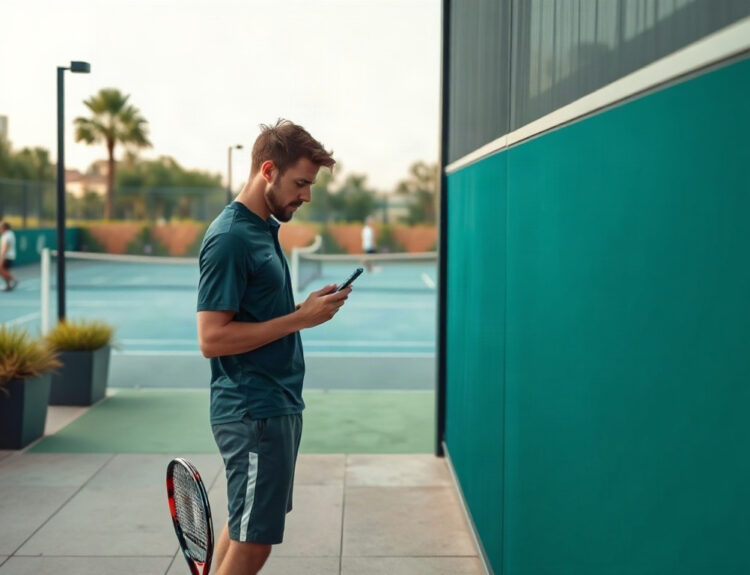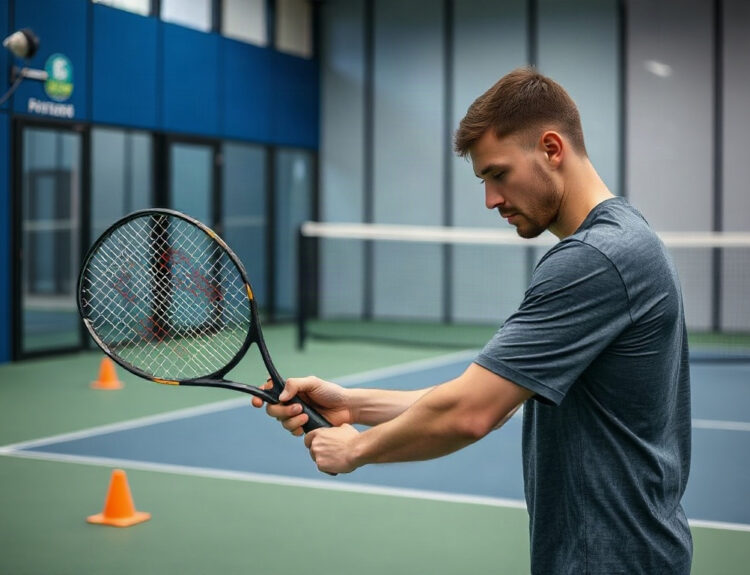
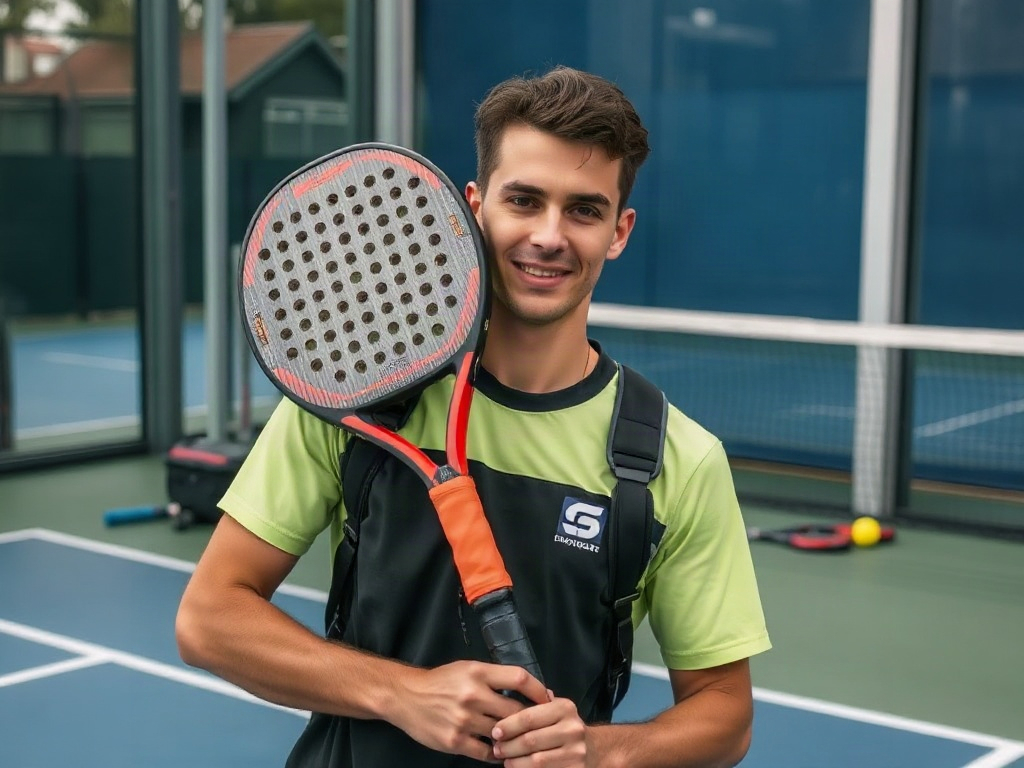
Padel has a rare talent for making people feel competent quickly, even if they have never picked up a racket before. The court is smaller than tennis, the rallies tend to last longer, and the social format makes it easier to relax into the game rather than feel judged by it. That combination is exactly why so many newcomers are curious about trying it, and why the first session can feel exciting instead of intimidating. If you are thinking about stepping onto the court for the first time, a little preparation goes a long way. This guide brings together the essentials you should know so you can walk in feeling ready, not overwhelmed.
For anyone considering cwmcarn padel, the experience can be especially appealing because beginners often look for a setting that feels welcoming and straightforward. The sport is built around fun, quick learning, and teamwork, which means you do not need years of experience to enjoy it. You do not have to master complicated footwork or memorize endless rules before your first game. What matters most is understanding the rhythm of play, having the right gear, and knowing a few practical habits that make the first session smoother. Once those basics are in place, the game becomes far easier to enjoy.
What Padel Is and Why Beginners Often Take to It Quickly
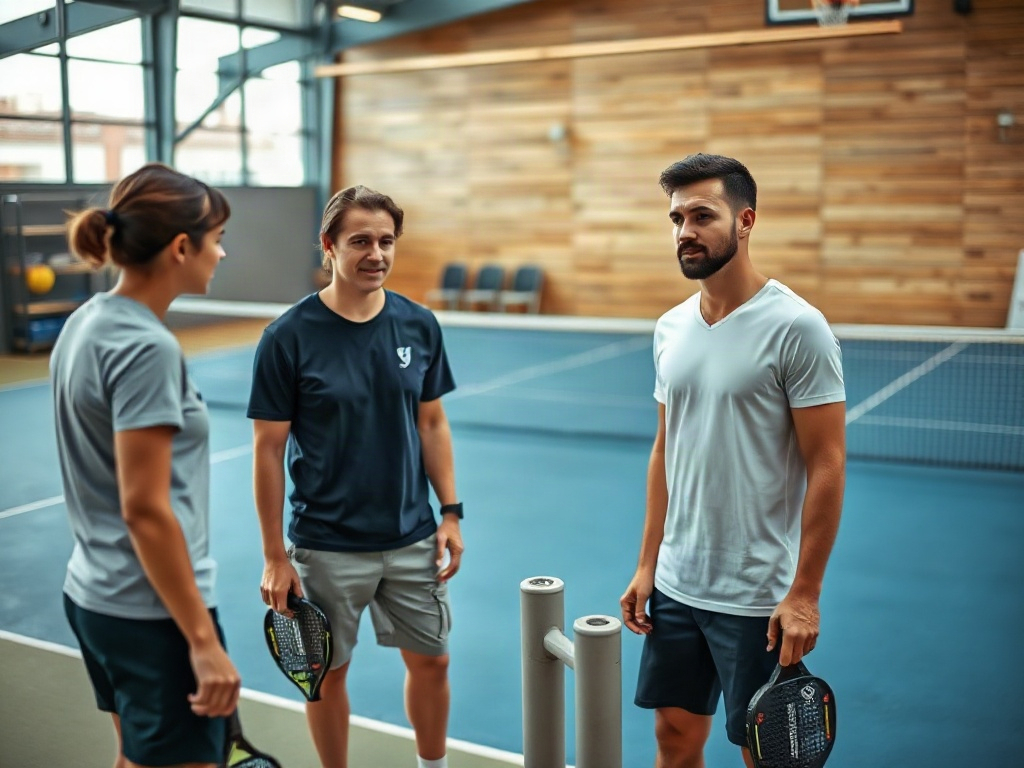
Padel is a racket sport played in doubles on an enclosed court with glass and mesh walls, and those walls are part of what makes the game so unique. The scoring system is similar to tennis, but the court is smaller and the ball can be played after bouncing off the walls, which creates longer rallies and more opportunities to stay in the point. That means beginners are not constantly punished for imperfect shots, and the game often feels more forgiving than other racket sports. The pace can be lively without becoming overwhelming, which is one reason people who are new to racket sports often feel comfortable early on. It is a game that rewards timing, placement, and teamwork more than raw power alone.
Another reason beginners enjoy padel is that it tends to feel social from the very first match. Since it is usually played as doubles, there is always someone on your side of the court to help share the pressure. That can make the learning curve feel less steep, especially if you are nervous about making mistakes. Instead of worrying about dominating the game, new players can focus on keeping the ball in play and developing confidence point by point. In many ways, the sport is designed to help new players have fun before they become experts. That is an encouraging starting point for almost anyone.
Why Cwmcarn Is a Good Place to Start
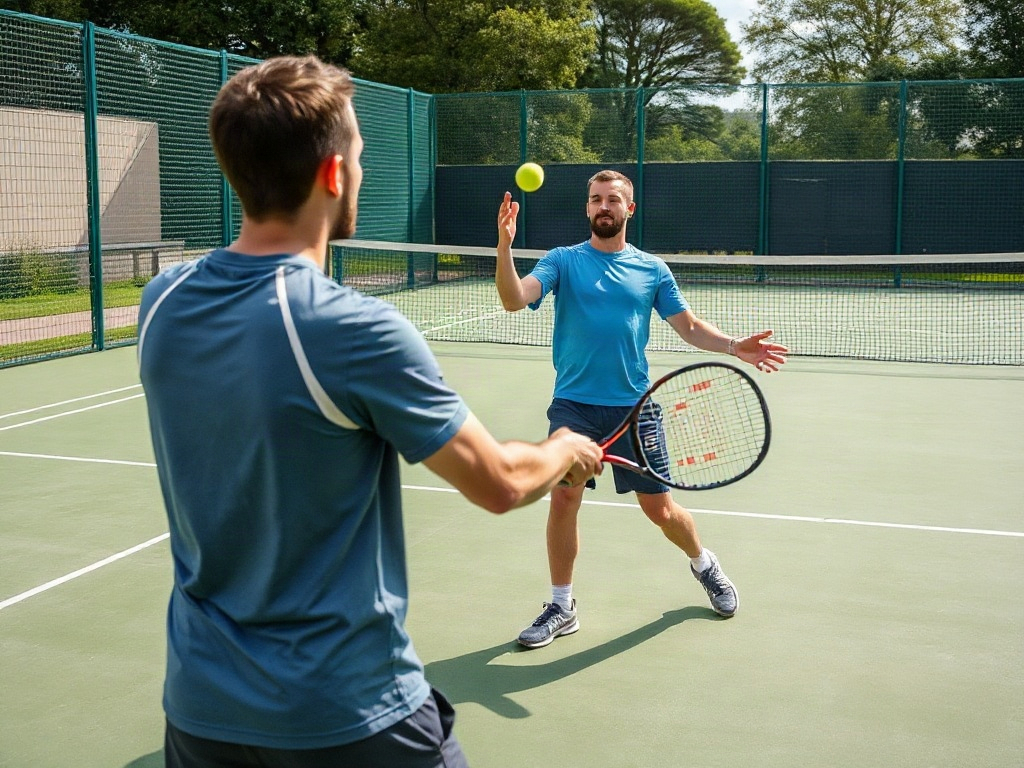
Learning a new sport becomes much easier when the environment feels approachable, and that is one of the big advantages of starting locally. In a community setting, beginners often feel less pressure and more freedom to ask questions, make mistakes, and improve at their own pace. A welcoming venue can completely change the first impression of a sport, especially if you are trying something new with friends, family, or coworkers. The more comfortable you feel before the first serve, the easier it becomes to enjoy the session itself. That is why location matters as much as enthusiasm when you are just beginning.
Many first-time players appreciate places that feel organized, accessible, and beginner-friendly, because those details reduce stress before the game even begins. When courts are easy to find, equipment is simple to arrange, and the atmosphere feels relaxed, newcomers can focus on learning instead of logistics. A place like Cwmcarn can be appealing for that reason alone, since it offers an easy entry point into the sport. If you are planning your first game, think of the venue as part of the learning experience, not just the backdrop. A good start helps build confidence, and confidence makes the game more enjoyable.
The court may look unusual at first, but that is part of the charm. Walls are not a barrier in padel; they are an active part of play, which means the ball can rebound in ways that feel surprising at first. Beginners often need just a little time to understand how the ball behaves after a bounce, and once that clicks, the game becomes much easier to read. The enclosed design also keeps the ball in play more often, which means fewer stoppages and more actual rally time. For a first-timer, that is a huge advantage because repeated contact helps skills develop naturally. Instead of waiting around, you get more chances to learn by doing.
What to Bring Before You Arrive
Preparing for your first padel game does not require a massive shopping list, but it does help to be practical. Comfortable sports clothing is the obvious starting point, and shoes with good grip are especially important because quick changes in direction are common. You will also want a water bottle, since the game can feel more intense than it looks, even for beginners. If you sweat easily or expect a longer session, a small towel is useful as well. Bringing the basics helps you focus on the game instead of wondering whether you forgot something essential.
If you do not own a racket yet, do not assume that should stop you from playing. Many beginners borrow or rent equipment for their first session, which is often the smartest move before investing in gear. It is better to test the feel of the sport first and then choose equipment that matches your style later. The same is true for balls, since many venues can provide what you need or advise you on what to bring. The point of the first game is not to look fully equipped; it is to get comfortable and enjoy the experience.
- Wear breathable sports clothing that allows easy movement.
- Choose court shoes or trainers with reliable grip.
- Bring a water bottle to stay hydrated throughout the session.
- Pack a small towel if you prefer to stay comfortable between games.
- Check whether the venue provides rackets and balls before you buy your own.
A beginner racket should feel manageable, not heavy or awkward. If you are shopping for your first one, look for a model designed to help with control and comfort rather than one marketed for power. A lighter racket can make it easier to react quickly and keep your swings steady, which is useful when you are still learning timing. Shoes should support lateral movement because padel involves side steps and quick pivots rather than straight-line running only. Good footwear makes the game safer and more enjoyable from the very first session. Small gear decisions can have a big impact on how confident you feel on court.
Basic Rules That Will Save You Embarrassment
Padel rules are simple enough to learn in a short time, and understanding them before your first game removes a lot of uncertainty. Scoring follows the familiar tennis pattern, which is helpful if you have ever watched or played a racket sport before. Serves are underhand and must be struck below the waist, which makes the opening of each point feel more accessible than in many other sports. The ball must bounce once before you return it, but after that the walls can come into play in a way that changes strategy. If you know those basics ahead of time, the game feels less mysterious and much more enjoyable.
One of the easiest mistakes for new players is trying to hit the ball too hard instead of focusing on placement. Another common issue is forgetting to stay aware of wall rebounds, which can lead to rushed swings or awkward positioning. Beginners also sometimes stand too far forward or too far back, which makes it harder to respond naturally to the next shot. Communication with your partner matters more than most newcomers expect, because doubles play works best when both players know who is taking the shot. The good news is that these mistakes are completely normal and usually improve quickly with a bit of experience. Nobody starts out perfect, and most players are much more forgiving than beginners fear.
| Padel Element | What Beginners Should Know | Why It Matters |
|---|---|---|
| Serve | Underhand and struck below waist height | Makes the start of each point easier to learn |
| Walls | The ball can rebound off the glass after bouncing | Extends rallies and changes shot selection |
| Scoring | Uses the same basic system as tennis | Familiar structure helps beginners adjust faster |
| Play Format | Usually doubles | Creates teamwork and reduces pressure on one player |
Simple Techniques That Help You Feel in Control
The most useful first skill in padel is learning to stay balanced while the ball is coming toward you. A relaxed grip, a stable stance, and calm footwork often matter more than trying to produce a spectacular shot. Beginners should aim for clean contact and sensible placement rather than dramatic winners, because consistency keeps rallies alive. Forehands and backhands become easier once you stop overthinking each swing and focus on repeating a simple motion. That approach helps new players settle into the rhythm of the sport instead of feeling rushed by every ball. Over time, good basics make everything else easier to build.
Working with a partner is also a major part of playing well, even at a beginner level. If one player takes the ball, the other should be ready to cover space and support the next shot. That kind of communication does not need to be complicated; a few clear words are often enough. Calling “mine,” “yours,” or “leave it” can prevent confusion and awkward collisions. As your first session unfolds, you may notice that the game feels smoother when you and your partner act as a unit. That teamwork is one of the best parts of padel and one of the reasons people keep coming back.
- Keep your knees slightly bent to stay ready for the next shot.
- Use short, controlled swings instead of forceful overhead motion.
- Watch the ball after it hits the wall so you can adjust early.
- Move with your partner to cover the court more effectively.
- Focus on returning the ball into play rather than hitting a perfect shot.
What Your First Session Will Probably Feel Like
Your first padel game will likely feel a little faster than expected at the start and much more natural by the end. The opening moments usually involve introductions, a brief warm-up, and a bit of adjustment as everyone settles into the court. Once play begins, the game may feel slightly chaotic for the first few points, especially if the wall rebounds are new to you. That is completely normal, and most beginners improve their sense of timing very quickly once the rallies begin. You do not need to understand every subtle strategy immediately. It is enough to stay engaged, remain relaxed, and treat the session as a learning experience.
By the middle of the game, you will probably start noticing patterns that felt confusing at first. Shots that once seemed unpredictable begin to make sense, and your movement becomes more instinctive. Many first-timers are surprised by how enjoyable the sport becomes once they stop trying to control every detail. The key is to keep playing, keep communicating, and keep the experience light. A first session is not a test; it is an introduction. That mindset can make a huge difference in how much fun you have.
Common Beginner Mistakes and How to Avoid Them
Beginners often believe that more power will solve most problems, but in padel, control usually wins more points than force. Another easy mistake is standing in the wrong position after the serve, which can make it difficult to respond to the next ball. Some players also forget to move as a pair, leaving gaps in the court that are easy for opponents to target. Overreacting to wall bounces can create even more confusion, especially when the ball comes back slower than expected. These issues are normal, and they become easier to correct with a few games of experience. The important thing is to notice them without getting frustrated by them.
One of the best ways to avoid early mistakes is to simplify your goals for the match. Instead of aiming to win every point, focus on returning the ball consistently and keeping good spacing with your partner. If you notice yourself rushing, slow your breathing and reset your stance before the next point. Ask questions if something feels unclear, because most players would rather help than watch you struggle in silence. Beginner progress often happens in small, practical steps rather than dramatic breakthroughs. That is perfectly fine, because steady improvement is what builds real confidence.
Tips to Make the Experience More Enjoyable
The best first-game advice is to keep the atmosphere light. If you are too focused on making mistakes, you will miss the fun of learning a new sport with real energy and movement. Try to treat each rally as a chance to experiment rather than a pass-or-fail moment. A positive attitude often matters more than technical ability at this stage. If you enjoy the process, you are far more likely to return and improve naturally. That simple shift in mindset can transform the whole experience.
It also helps to observe how experienced players move and communicate. Watching a few points can teach you a lot about positioning, timing, and shot selection without requiring formal coaching. You can borrow useful habits simply by paying attention to how others handle rebounds and space on the court. If possible, play with someone who is patient and comfortable explaining the basics. A supportive partner can make the first session feel much easier and much more fun. In padel, learning socially is often part of the appeal.
- Relax and focus on learning instead of trying to impress anyone.
- Ask questions when you are unsure about a rule or movement.
- Watch how more experienced players position themselves.
- Celebrate small wins, such as a good return or a well-timed shot.
- Keep the game social and enjoy the energy of the rally.
Итог
Padel is one of those sports that rewards curiosity from the very beginning, and that is what makes it such a good choice for first-time players. Once you understand the basic rules, bring the right gear, and accept that the first game is about learning rather than performing, the experience becomes much less intimidating. The court may feel unfamiliar at first, but it quickly becomes a space where movement, teamwork, and fun come together. If you are planning to play locally, Cwmcarn Padel can be a great place to start your journey with confidence. The most important thing is simply to step on court and give yourself permission to learn. After that, the game has a way of taking care of the rest.
Часто задаваемые вопросы
- What should I know before my first padel game?
You should understand the basic scoring, the underhand serve, and how the walls work. It also helps to wear comfortable clothing and shoes with good grip. If you can, arrive a little early so you can warm up and settle in. - Do I need tennis experience to play padel?
No, tennis experience is not required. Padel is designed to be accessible to beginners, and many people learn the basics very quickly. The smaller court and doubles format make it easier to get started. - What equipment do beginners need?
At minimum, you need suitable sportswear, proper shoes, and a racket. Many venues can provide balls or even lend equipment for your first game. A water bottle is also strongly recommended. - Is padel difficult to learn?
Not usually. The rules are straightforward, and the game is often more forgiving than it looks. Most beginners become comfortable after a few sessions, especially if they focus on consistency rather than power. - Can I play padel if I am not very fit?
Yes, many beginners of different fitness levels enjoy the sport. You can pace yourself during rallies and build stamina over time. Because it is played in doubles, the movement is shared, which can make it feel more manageable.