

Running a padel league should feel more like building a good scene than managing a spreadsheet. When players of different abilities share the same court, the real challenge is not just competition, but creating a format that keeps matches lively, fair, and welcoming. A well-organised mixed-level league can give beginners confidence, give stronger players a reason to stay engaged, and turn ordinary match nights into something people actually look forward to. The key is to design for balance from the start, so the experience feels inclusive without losing its competitive spark. This means thinking carefully about structure, pairings, rules, and the social tone of the league. It also means being flexible enough to adjust once the season begins and real player dynamics become visible.
Before anything else, decide what kind of league you are building and who it is for. A friendly league does not need to feel casual in the sense of being vague or poorly managed, but it should absolutely feel relaxed and approachable. Players should know whether they are joining for fun, improvement, or a bit of both, because that expectation shapes everything from scheduling to team balance. If the league is mixed in skill level, the organiser has to protect the enjoyment of lower-level players while still giving more experienced players meaningful matches. That balance is easier to achieve when the purpose, rhythm, and tone of the league are clearly defined from the outset. Once that foundation is set, the rest of the organisation becomes much easier to manage.
Define the Purpose and Shape of the League
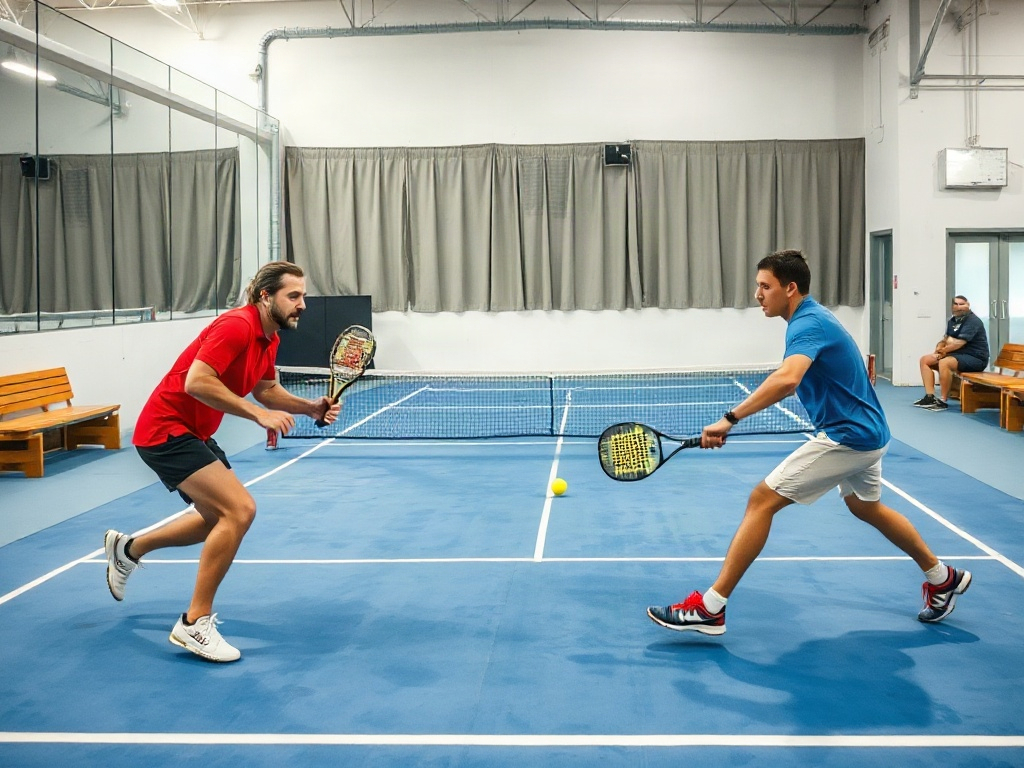
The first practical step is to define what success looks like for your league. Some leagues are built to crown a winner, while others are designed to create an active social group that meets every week and enjoys competitive but friendly play. You can combine both goals, but you need to decide which one matters more when difficult choices come up. For example, if attendance is more important than results, your system should reward flexibility and participation rather than only wins. If fairness across levels is the priority, you may need to accept that some pairings or score adjustments will not be perfectly traditional. This early decision influences the whole atmosphere and helps players understand what kind of league they have joined.
It also helps to settle on a format that suits your number of players and your available courts. A round-robin setup works well when you want everyone to play everyone else or at least face a broad mix of opponents. A ladder format can be ideal if availability changes often and you want the ranking to evolve over time. Some organisers prefer split groups or tiers, especially when the skill gap is wide enough that even a mixed pairing system would still feel uneven. Whatever format you choose, keep it simple enough that players can understand how standings or match-ups are created. Clarity reduces confusion and makes it easier for everyone to buy into the experience.
- Choose whether the league is social, competitive, or a blend of both.
- Estimate how many players will join consistently, not just at launch.
- Decide how often matches should happen based on court access and player availability.
- Select a format that can handle mixed skill levels without creating repetitive mismatches.
Create a Fair System for Mixed Playing Levels

Mixed-level leagues work best when the organiser has a realistic picture of each player’s ability. Self-ratings are useful, but they are rarely enough on their own because people tend to judge themselves differently, and not always accurately. Trial matches can reveal more, especially if you watch how players handle pace, positioning, and decision-making under pressure. If possible, combine self-assessment with organiser observation and a short practice session before the league officially begins. The goal is not to label players permanently, but to create a system that makes early pairings feel balanced and enjoyable. That initial effort pays off later, because a well-seeded league usually needs fewer corrections during the season.
Once you have an idea of player levels, think about how to use that information in a way that supports fairness rather than rigid hierarchy. One simple approach is to rotate partners regularly, so stronger players do not repeatedly dominate and weaker players are not repeatedly exposed. Another option is to place players into bands or categories and use those bands to guide pairings each week. A more advanced method is to use a handicap system, though that works best when the rules are transparent and easy to follow. The best system is the one players can understand quickly and trust emotionally, because perceived fairness matters almost as much as actual balance. If the league feels thoughtfully managed, most people will accept small imperfections as part of the experience.
Rotation is one of the most effective ways to make a mixed-level league feel fresh and fair. By changing partners regularly, you reduce the chance that one strong player carries the same weaker teammate week after week, which can make matches feel repetitive. It also gives players a chance to learn from different styles and adapt their own game accordingly. If the skill gap is still too visible, small scoring adjustments can help without overcomplicating the league. The important thing is to keep the system visible, light-touch, and consistent from one round to the next. Players are usually happy with adjustments when they can see the logic behind them.
- Rotate partners to prevent the same pairings from dominating or struggling repeatedly.
- Group players loosely by ability when making weekly match-ups.
- Use simple handicaps only if they are easy to explain and apply.
- Review pairings after the first few rounds and adjust if patterns look unfair.
Set Clear Match Rules and League Expectations
Friendly leagues work best when the rules are clear enough that nobody has to guess what happens next. Decide in advance how long matches will last, whether you will use full sets or timed games, and how ties will be handled. A short, predictable format often works better for mixed-level groups because it keeps matches moving and reduces frustration for players who may be less experienced or have limited time. You should also set expectations around sportsmanship, especially when the league mixes highly competitive players with people who are primarily there to enjoy the social side of the game. If the tone is respectful from the beginning, the league is much more likely to stay positive all season. Clear rules do not make the league rigid; they make it easier for everyone to relax.
Attendance policy matters more than many organisers expect. If people are allowed to cancel at the last minute without consequence, your schedule can quickly become unstable and pairings can fall apart. At the same time, a friendly league should not feel punitive, so the policy should be practical rather than harsh. It is also helpful to define what happens if a player arrives late, if a substitute is needed, or if weather interrupts a match. These decisions may seem small at first, but they create the operational backbone of the league. The more clearly you communicate them upfront, the less likely you are to spend evenings solving avoidable problems.
| Decision Area | Recommended Approach | Why It Helps |
|---|---|---|
| Match length | Timed games or short sets | Keeps sessions predictable and manageable |
| Pairing method | Rotating partners with balanced levels | Reduces repeated mismatches and improves variety |
| Conduct | Friendly but respectful sportsmanship rules | Protects the social tone of the league |
| Absences | Simple notice and substitution policy | Helps the schedule stay reliable |
Plan Scheduling and Venue Logistics
Scheduling is where a good idea becomes a practical league, and this stage deserves careful attention. Choose a venue with reliable court availability, good lighting, and enough flexibility to support regular play over several weeks or months. If the venue is inconsistent, players will quickly lose momentum, especially those who are already balancing work, family, and other commitments. Try to schedule matches at times that suit the widest possible group, even if that means compromising slightly on the ideal slot for a few individuals. The more consistent the timing, the easier it becomes for players to make the league part of their routine. Reliability is one of the quietest but strongest ingredients in long-term participation.
Logistics also include communication, which is often what separates a smooth league from a frustrating one. Use a shared calendar, group chat, or league management tool to keep everyone updated on fixtures, results, and any changes. Send reminders before match days so players do not forget or misunderstand the schedule. If standings matter, keep them visible and current, because people are more engaged when they can follow the league’s progress. This does not have to be complicated, but it does need to be consistent. A league feels much more professional when players never have to wonder where they stand or when they are next playing.
- Choose a venue with dependable court bookings and enough lighting for evening play.
- Set a regular match day and time wherever possible.
- Use one central place for fixtures, reminders, and results.
- Plan for weather, cancellations, or occasional rescheduling.
Build a Social Experience That Keeps Players Coming Back
A friendly padel league should feel like more than a sequence of scores. People return when the environment is welcoming, the atmosphere is positive, and the league gives them a reason to connect with others. A simple opening session can help set the mood, especially if you use it to explain the format, introduce players, and create an easy first impression. Post-match chats, small refreshments, or a casual gathering after games can do a lot to turn the league into a social habit rather than just a sporting commitment. This is especially important in mixed-level leagues, where the atmosphere must be relaxed enough for newer players to feel comfortable. When people feel included socially, they usually become more tolerant of the occasional uneven match.
Recognition also matters, and it should not be limited to the players with the most wins. You can highlight improvement, consistency, great attitudes, or the best examples of fair play, which helps prevent the league from becoming too result-driven. Small prizes, badges, or end-of-season awards can add energy without creating pressure. In many cases, the most appreciated recognition is simply being seen and remembered as a good teammate or a reliable participant. That kind of recognition strengthens the social fabric of the league and encourages people to stay involved even when they are not top of the standings. A well-run league rewards effort as much as outcome, and that balance is exactly what makes it enjoyable for mixed levels.
Track Feedback and Adjust as the League Evolves
No league runs perfectly from the very first week, and that is normal. Once the matches begin, pay attention to how people respond to the format, the pairings, and the pacing of the games. Some teams may be too strong, some may be too uneven, and some players may need a different partner mix to stay motivated. Ask for feedback in a light, practical way so that people feel heard without turning the league into a constant debate. Small changes are often enough to improve the experience without disrupting the whole structure. The best organisers treat the league as something alive, not something fixed in stone.
As the season moves on, look for patterns rather than isolated complaints. If the same kind of mismatch keeps appearing, the structure probably needs a small correction. If attendance starts to drop, the schedule may be too demanding or the communication may be too scattered. If players seem less enthusiastic, the league may need a refresh in format, scoring, or social activity. This is where your initial flexibility pays off, because a well-designed friendly league can evolve without losing its identity. Keeping the group engaged is not about perfection; it is about making the league feel responsive, fair, and worth returning to each week.
Итог
Organising a friendly padel league for mixed playing levels is ultimately about creating balance between structure and enjoyment. You need enough organisation to make the matches fair, the schedule dependable, and the rules clear, but not so much structure that the league feels stiff or intimidating. When you choose a suitable format, manage pairings thoughtfully, and keep communication simple, the league becomes much easier to sustain. Add a welcoming social atmosphere and the experience becomes even more rewarding, especially for players who may not always win but still want to feel involved. The most successful leagues are rarely the most complicated ones; they are the ones that make people feel valued, comfortable, and eager to come back. Start with a simple model, learn from the first few rounds, and improve the system as you go.
Часто задаваемые вопросы
- How do you keep a padel league fair for different skill levels?
Use player assessments, rotate partners regularly, and make small adjustments to pairings or scoring if needed. Fairness improves when players understand how the system works and see that it is applied consistently. - What is the best format for a friendly mixed-level league?
Round-robin and ladder formats both work well, depending on how many players you have and how stable attendance is. Round-robin is better for broad participation, while a ladder format gives more flexibility. - How many players should be in the league?
A small to medium group is usually easiest to organise, especially if court time is limited. The ideal number depends on how many courts you can book and how often players are available. - How often should matches be played?
Weekly matches are common because they create rhythm without overwhelming players. If your group has limited availability, every two weeks can also work well. - How do you make the league enjoyable for beginners?
Keep the atmosphere supportive, avoid overly strict competition, and make sure pairings are balanced. Beginners usually enjoy the league more when they feel included, not exposed.