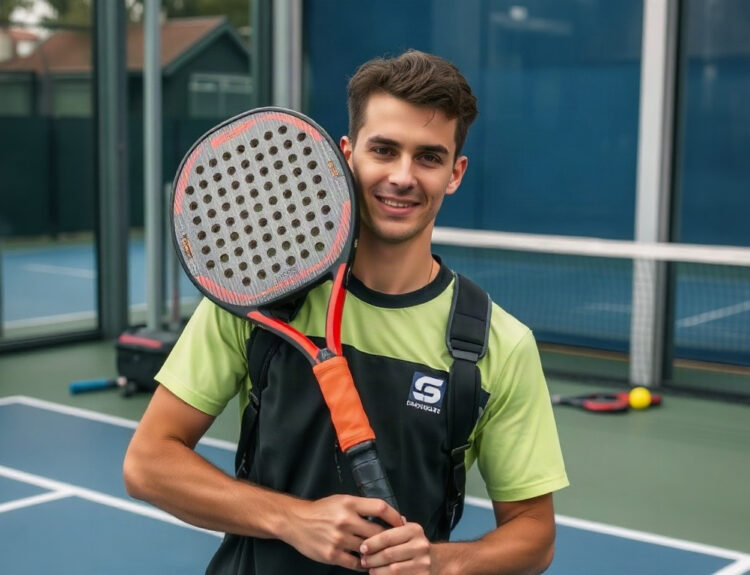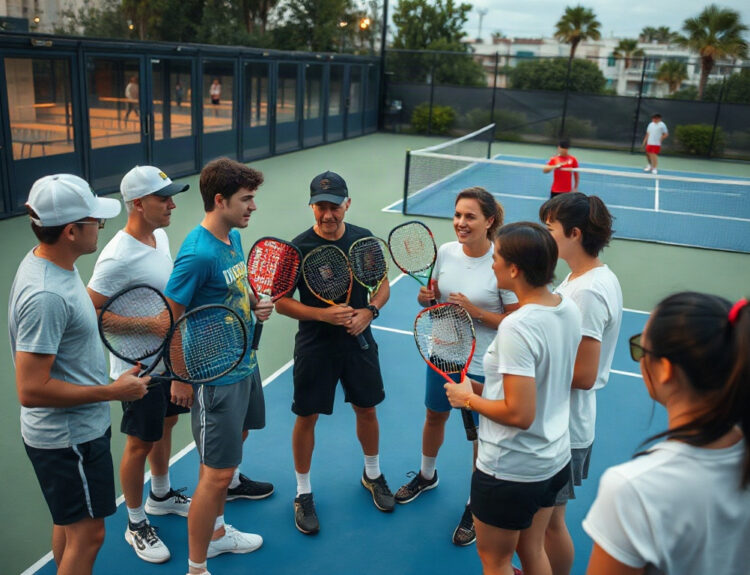

Confidence in padel is rarely something you “find” all at once. It tends to appear in small pieces: after a good rally, after a smarter decision, after a point you recover from instead of giving away. In your first 10 matches, the goal is not to look like a polished player from day one, but to become a calmer, clearer one with each session. That shift matters because padel rewards composure, communication, and consistent decision-making as much as it rewards technical skill. If you can learn to trust your shots, stay connected with your partner, and treat each match as useful information, your confidence starts to grow almost naturally. The result is not just better play, but a better experience every time you step onto the court.
Understand the Mental Side of Padel

Beginners often assume confidence comes from hitting harder or winning more points, but the mental side of padel is usually what determines whether improvement feels steady or chaotic. Nerves can make your timing rush, your grip tighten, and your choices become too cautious or too aggressive. That is normal, especially in the first few matches, because your brain is still learning how to process the speed, walls, angles, and teamwork of the game. The good news is that confidence does not require perfection. It usually grows when you notice that you can recover from mistakes without letting them define the rest of the match. Once you understand that pattern, the pressure becomes easier to manage.
One of the fastest ways to feel better in padel is to judge your matches differently. Instead of asking only whether you won, ask whether you made better decisions than last time. Did you keep more balls in play? Did you communicate more clearly with your partner? Did you recover faster after an error? Those questions create a healthier sense of progress and help you notice improvement that the scoreboard may hide. When your focus changes from outcome to development, confidence becomes more stable because it is built on evidence, not guesswork. That kind of mindset makes every match more useful.
- Track whether you reduced unforced errors during the match.
- Notice if you stayed calmer after losing a few points in a row.
- Pay attention to better court positioning, even if you still lost the rally.
- Remember successful communication moments with your partner.
- Look for shots you handled with more control than in previous games.
Prepare Before You Step Onto the Court
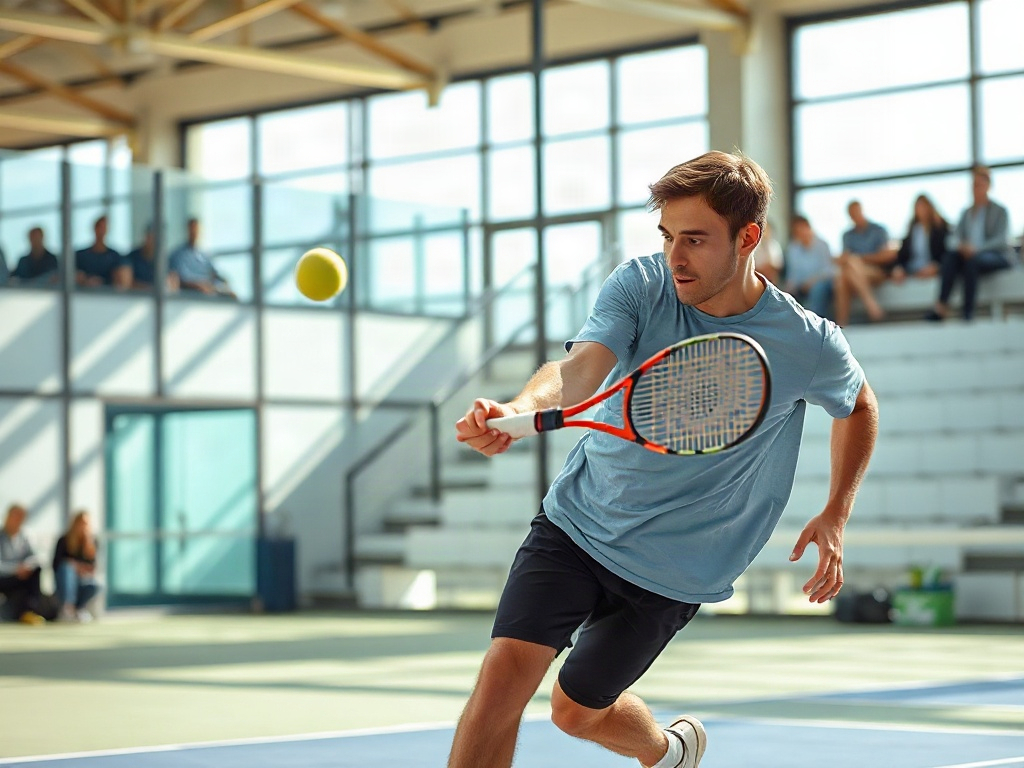
Confidence often begins before the first serve. A good pre-match routine helps your body feel ready and your mind feel less scattered. If you arrive rushed, cold, and distracted, you are more likely to start the match tense and reactive. On the other hand, a simple preparation routine can give you a sense of control that carries onto the court. This does not need to be complicated or time-consuming, and it certainly does not need to be perfect. The point is to create familiar cues that tell your brain: I know what I am doing, and I am ready to play.
A repeatable routine can quiet the noise that often appears before a match. Some players benefit from a few slow breaths, while others prefer a short visualization of successful shots or good movement. A warm-up checklist also helps because it removes uncertainty from the equation. When you know you have already prepared your body, you can focus more easily on the rally itself. This is especially valuable in your early matches, when everything feels new and slightly fast. The more familiar your preparation becomes, the easier it is to settle into the game.
- Take a few deep breaths before stepping onto the court.
- Visualize one or two simple, successful points.
- Warm up your shoulders, wrists, legs, and feet.
- Practice easy cross-court shots before trying anything ambitious.
- Check your grip and paddle comfort before the first point.
Master the Basics First
Trying to do too much too soon is one of the most common confidence killers for beginners. Padel rewards control, not constant risk, so your early matches should be about learning the basic patterns that keep you in rallies. That includes understanding when to defend, when to move forward, and when to choose the safer shot. If your game plan is too ambitious, every mistake feels larger than it should. But if you keep things simple, your body has a better chance to repeat successful actions. Repetition creates familiarity, and familiarity creates confidence.
| Skill | Why It Matters Early On | Confidence Benefit |
|---|---|---|
| Controlled volleys | Helps you stay in position near the net | Makes you feel stable and ready for the next ball |
| Reliable lobs | Gives you time to reset under pressure | Reduces panic when you are pushed back |
| Simple positioning | Keeps you and your partner organized | Creates clarity and fewer breakdowns |
| Controlled returns | Starts rallies with fewer errors | Builds trust in your first shot |
When you treat basics as a strength instead of a limitation, your confidence rises faster. It is easy to underestimate simple shots because they do not look flashy, but in padel they are often the foundation of good play. A stable volley, a sensible lob, and a well-placed return can do more for your match than a risky winner attempt. In your first 10 matches, it is smarter to build a pattern of success than to chase highlight moments. As your control improves, your options naturally expand. That is when confidence starts to feel earned.
Not every stroke deserves equal attention in the beginning. The most useful skills are the ones that help you survive pressure, keep the ball alive, and stay organized with your partner. If you can improve your volleys, overhead awareness, and defensive consistency, you will already be ahead of many beginners. These are the kinds of skills that make a match feel more manageable because they give you repeatable solutions. Practice them in simple drills and during match play without expecting instant mastery. Small gains in these areas add up quickly.
- Focus on placing the ball deep rather than hitting it hard.
- Use lobs to reset points when the net is crowded.
- Choose safer angles before attempting aggressive winners.
- Keep your feet active so you can reach the ball earlier.
- Prioritize returning the ball cleanly over forcing a perfect shot.
Play Smart in Your First 10 Matches
Smart padel is usually calm padel. When beginners try to play too aggressively, errors come quickly and confidence drops just as fast. A more effective approach is to build points with patience and choose shots that have a high chance of success. That means favoring consistency, clear decisions, and good partner communication. The less chaotic your point construction becomes, the more comfortable you will feel under pressure. In time, this calm approach does not just protect your confidence; it also makes you a tougher opponent to play against.
Padel is a doubles game, so your partner is not just a teammate but also a source of stability. Good communication can turn a tense match into a manageable one, especially if both of you are still learning. Simple encouragement after mistakes helps keep energy steady and reduces frustration. You do not need long speeches or complicated strategy discussions between points. A few positive phrases and a shared understanding of basic court roles can make a huge difference. Over time, that sense of teamwork becomes one of the strongest drivers of confidence.
- Speak clearly before the point if you want the ball or prefer a certain side.
- Use encouraging words after errors, such as “next one” or “good idea.”
- Agree on simple targets like playing safer balls cross-court.
- Stay calm if your partner makes mistakes, because tension spreads quickly.
- Celebrate good decisions as much as good winners.
Working well with your partner also helps you feel less alone in difficult moments. If you miss a shot, a supportive partner can keep your mindset from spiraling. If they make a mistake, your response can help preserve the rhythm of the match. This is why confidence in padel is never purely individual. It is often shared, reinforced, and multiplied through teamwork. Once you start seeing your partner as part of your confidence system, the game becomes more enjoyable and much less stressful.
Learn from Each Match
Every match gives you information, even the uncomfortable ones. A loss can still reveal what you are starting to understand, and a win can still show where your game needs structure. The key is to review each session without being harsh or overly emotional. You are not looking for reasons to criticize yourself; you are looking for patterns that can guide your next match. Maybe your positioning improved, but your second volleys broke down. Maybe you stayed calm for most of the match, but rushed your returns under pressure. That kind of review turns experience into confidence because it proves you are paying attention and learning on purpose.
A short match journal can make your development much clearer. Write down what felt better, what felt difficult, and what you want to repeat next time. You do not need to write a long essay after every game; a few honest notes are enough. Over time, these notes reveal progress that memory alone might miss. They also help you see that confidence is not random. It is built through repetition, reflection, and adjustment.
- Record one thing you did well in the match.
- Write down one mistake pattern to watch next time.
- Note how you felt before, during, and after the game.
- List one tactical decision that worked better than expected.
- Set a simple goal for your next session.
Stay Positive Under Pressure
Pressure is unavoidable in padel, but it does not have to control you. The moment you start worrying about the last point, the next point becomes harder to play. That is why strong players learn how to reset quickly. A missed shot should become information, not a verdict. If you can return to the present moment after an error, you will preserve both your focus and your confidence. This ability does not appear instantly, but it becomes stronger each time you practice it.
Resetting between points is a skill, and like any skill, it can be practiced. Some players take one deep breath and look away from the previous mistake. Others use a short phrase like “simple ball” or “next point” to refocus. The method matters less than the consistency with which you use it. Once the reset becomes automatic, you waste less energy on frustration. That energy can then go into movement, communication, and better shot selection.
- Exhale slowly after each mistake to release tension.
- Use a short cue word to shift attention back to the present.
- Look at your partner and reset your posture before the next point.
- Walk to position with purpose instead of replaying the error mentally.
- Choose one clear intention for the next rally, such as “play safe.”
Positivity under pressure does not mean pretending mistakes are fine. It means responding to them in a way that helps you stay effective. The more often you recover well, the less power errors have over your mindset. That change is especially important in your first 10 matches, when every moment can feel more dramatic than it really is. Once you learn to manage pressure, you begin to trust yourself more. And trust is the foundation of confidence.
Итог
Confidence in padel is not built in one dramatic breakthrough. It grows from many small decisions: arriving prepared, keeping your game simple, communicating well, and learning from each match without judging yourself too harshly. Your first 10 matches are not a test of whether you belong on the court; they are part of the process of becoming comfortable there. If you stay focused on progress, the game will start to feel less intimidating and more intuitive. Keep showing up, keep paying attention, and let each match add one more layer to your confidence. With time, the habits you build now will become the foundation of a much stronger and more relaxed game.
Часто задаваемые вопросы
- How long does it take to feel confident in padel?
Confidence varies from player to player, but many beginners start feeling more comfortable after several matches and regular practice. The biggest factor is consistency, not speed. If you focus on learning from each session, progress usually becomes visible sooner than expected. Confidence tends to grow in stages rather than all at once. That means even small improvements matter a lot. - What should I focus on in my first padel matches?
Focus on keeping the ball in play, learning basic positioning, and communicating with your partner. It also helps to reduce unforced errors and choose simpler shots under pressure. You do not need to dominate every point to have a successful match. Instead, aim to stay organized and make good decisions. Those habits create a strong base for later improvement. - How can I stop feeling nervous before a match?
A simple warm-up routine can help reduce nerves because it gives your mind something familiar to do. Breathing slowly, visualizing a few successful points, and arriving early can also help. Try to shift your attention from the result to the process of playing well. Nerves usually feel stronger when the match seems bigger than your preparation. The more predictable your routine becomes, the calmer you are likely to feel. - Should beginners try to hit winners often?
Not at first. Beginners usually benefit more from control, patience, and reliable shot selection than from constant attacking. Winners become more effective when they are built on a stable rally rather than forced too early. If you can keep the ball in play and wait for better opportunities, your game will be more balanced. That balance is a major source of confidence. - What is the fastest way to build confidence in padel?
The fastest way is to play regularly, reflect honestly, and celebrate small improvements. Confidence grows when your brain sees repeated evidence that you can handle the game. A match journal, a simple routine, and supportive communication with your partner can speed up that process. There is no shortcut to experience, but there are smarter ways to use it. The more intentionally you play, the faster your confidence develops.